

“The LORD is near to the brokenhearted and saves the crushed in spirit.” Psalm 34:18
David’s life was anything but calm. He moved from shepherd fields to royal courts, from singing songs of victory to hiding in caves. His story is characterized by deeply volatile circumstances. Yet what stands out most is not just what he faced but how honestly he brought it all before the Lord.
In the Psalms, David does not filter his emotions. He writes with a rawness that feels strikingly familiar to anyone who has wrestled with anxiety or depression. In Psalm 13:1, he cries out, “How long, O LORD? Will you forget me forever? How long will you hide your face from me?” These are not polished prayers. They are desperate, aching words from a heart that feels abandoned and overwhelmed.
And yet David does not allow his heart to stay there.
What makes his prayers so powerful is not just their honesty, but their direction. He continually gives his anguish to God. He does not suppress his grief or pretend strength—he entrusts his pain to the One who can hold it. In Psalm 34:18, David declares, “The LORD is near to the brokenhearted and saves the crushed in spirit.” This is not abstract theology. David was speaking from a lived experience.
There is something freeing in that truth. Anxiety often tells us we are alone, that our thoughts are too much, our fears too irrational, our sadness too heavy to carry. Depression can whisper that silence is safer than honesty. But David’s life gives us permission to do the opposite. His psalms remind us that God is not intimidated by our darkness.
More than that, David shows us where to anchor our hearts when everything else feels unstable. Again and again, he returns to the steadfast love of God. Not his own strength. Not his circumstances. Not even his emotions. God’s unfailing, unwavering, steady character becomes his refuge.
This matters because feelings shift. Circumstances change. Some days, hope seems distant and fragile. But God’s steadfastness does not falter. When David says, “But I trust in your unfailing love,” (Ps. 13:5) it is an act of defiance against despair. It is remembering that even when life is chaotic, God remains constant.
If you find yourself carrying anxiety or walking through depression, it does not disqualify you from faith. You are engaging it at its deepest level. Like David, you can bring your unedited thoughts, your tears, your questions. You can sit in the tension of pain and hope, trusting that God is near to the brokenhearted.
And slowly, as David so often experienced, prayer becomes not just a place of release, but a place of renewal.
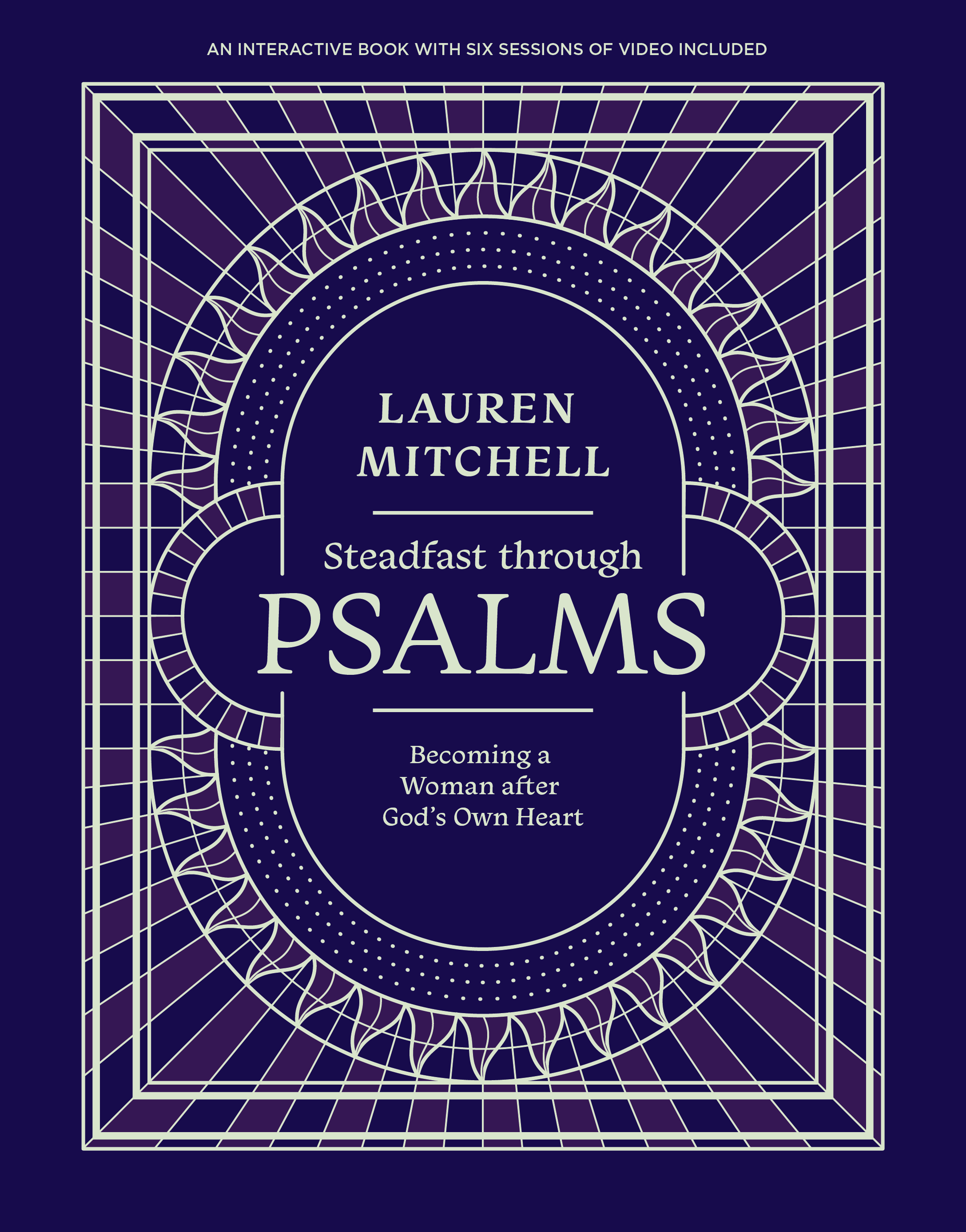
For those seasons when your anxiety is overwhelming and praying feels out of reach, Steadfast through Psalms by Lauren Mitchell gently meets you there. Over six weeks, it walks through David’s psalms, helping you turn raw emotion into honest prayer and guiding you toward a deeper sense of peace grounded in God’s unchanging character.
Prayer: Gracious God, when I am brokenhearted, You are near. When I am overwhelmed by feelings that threaten to crush my spirit, You are with me. Please help me remember that I can bring everything whirling around in my mind and my heart to You, without having to dress it up or organize it. I praise You, even in my despair, for Your steadfastness. In Jesus’ name, Amen.
Want More?
Read Psalm 31. What images or attributes stand out about how David describes God in verses 1–5? How do David’s words in verses 9–13 reflect his emotional and physical distress? David moves from despair to trust without denying his pain. How can you hold both honesty and hope together in your own prayer life?